Why Exterior Paint Fails Early on Florida Homes

Why Exterior Paint Fails Early on Florida Homes
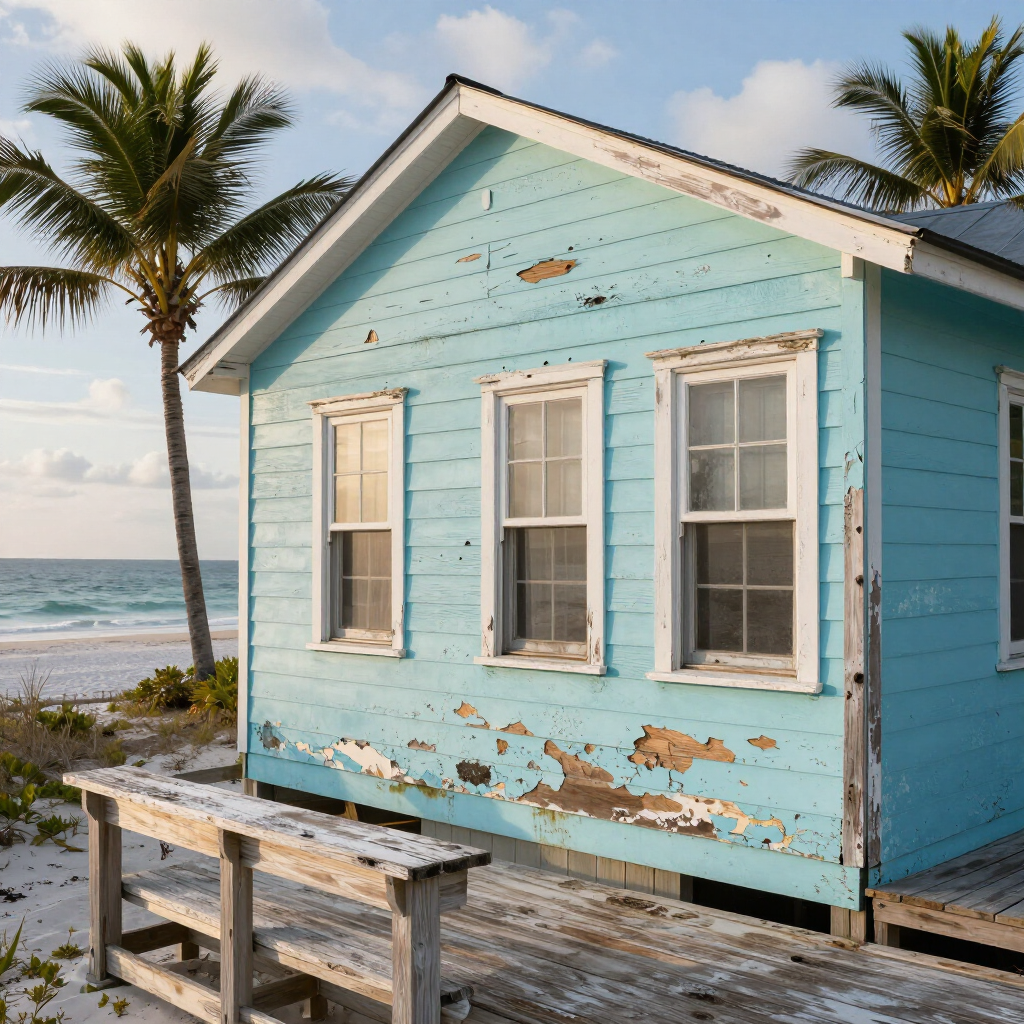
A quality exterior paint job should protect and beautify your home for years. Unfortunately, Florida homes face intense sunlight, high humidity, heavy rain, airborne salt near the coast, and frequent temperature changes. When the wrong products are used—or important preparation steps are skipped—an exterior paint job can begin fading, peeling, cracking, or bubbling much sooner than expected.
Understanding why exterior paint fails can help you choose the right painting contractor and protect your investment.
Inadequate Surface Cleaning
Paint cannot bond properly to dirt, mildew, chalk, salt residue, and loose material. Florida homes often develop a powdery film known as chalking as older coatings break down in the sun.
Painting directly over a dirty or chalky surface may temporarily improve its appearance, but the new coating is bonding to unstable residue instead of the home itself. This can eventually cause peeling and premature failure.
Before painting, exterior surfaces should be thoroughly cleaned and allowed to dry. Loose or failing paint should also be removed so the new coating has a sound surface to adhere to.
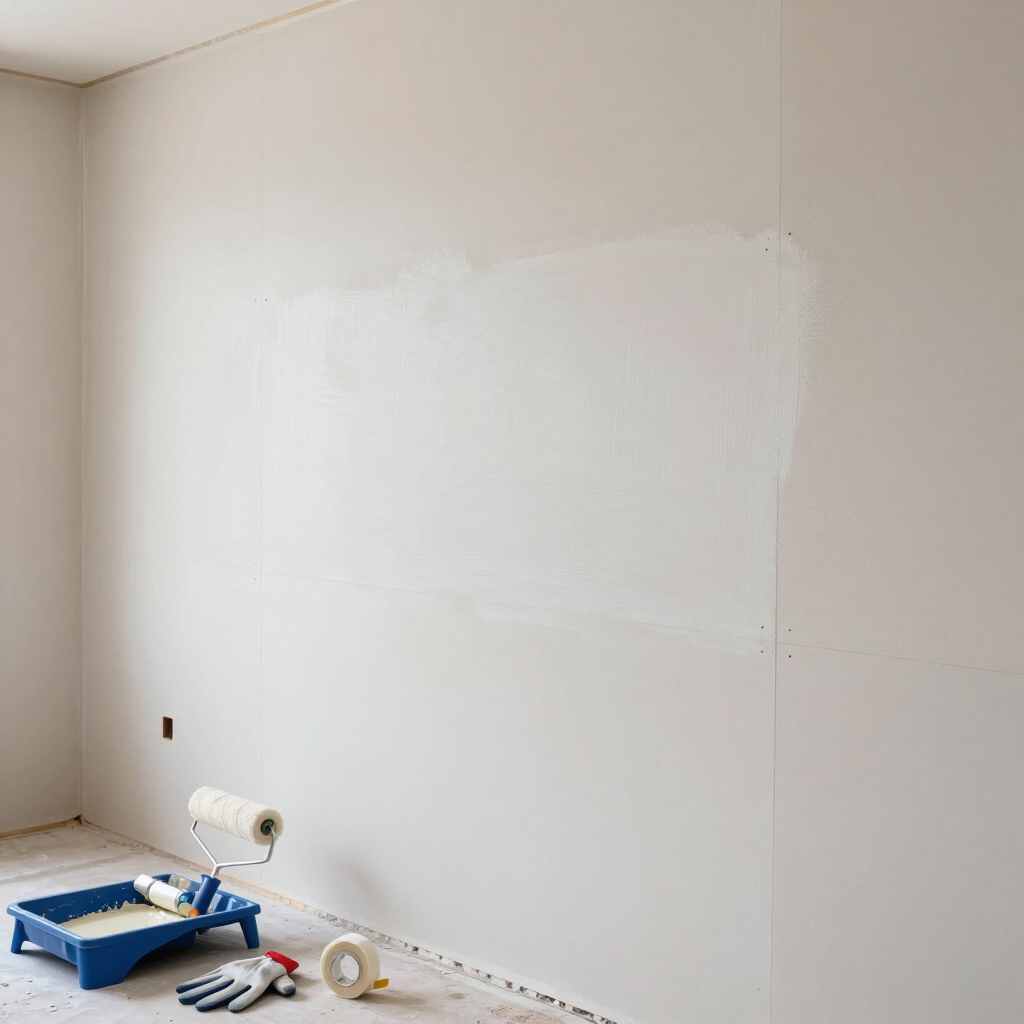
Skipping Necessary Primer
Not every exterior surface requires a complete coat of primer, but certain areas should be primed before painting. These may include:
- Bare stucco or masonry
- Exposed wood
- Drywall or stucco repairs
- Rust-treated metal
- Stained or discolored areas
- Glossy or difficult-to-bond surfaces
- Areas where the existing coating has failed
Primer helps seal porous surfaces, improve adhesion, and create a more consistent base for the finish coats. Applying paint directly over repairs or bare materials can result in uneven color, flashing, and reduced durability.
Painting Over Cracks and Failed Caulking
Stucco and masonry cracks are common on Central Florida homes. Paint may temporarily cover a small crack, but paint alone is not a proper repair.
Visible cracks should be evaluated and sealed with a compatible product before repainting. Failed caulking around windows, doors, trim, and other openings should also be removed or repaired where needed.
Proper crack and sealant preparation improves the finished appearance and helps reduce moisture intrusion. Larger or recurring cracks may indicate movement or another underlying issue that should be evaluated before painting.
Moisture Trapped Behind the Paint
Moisture is one of the most common causes of bubbling, blistering, and peeling paint. It can enter through roof leaks, damaged stucco, failed sealant, irrigation systems, leaking gutters, or cracks around doors and windows.
Applying a new coating does not correct the source of moisture. If water continues entering from behind the surface, it may push the paint away from the substrate.
Any known leaks or moisture problems should be corrected before repainting. Painting over an active problem may hide it temporarily, but the coating can fail again.
Using the Wrong Paint for the Surface
Exterior surfaces have different coating requirements. Stucco, concrete block, wood siding, vinyl siding, metal doors, railings, and previously coated surfaces may not all accept the same primer and paint system.
For example, metal may need a corrosion-resistant primer, while vinyl siding requires careful color and product selection. Masonry surfaces must be properly cured, clean, and compatible with the coating being applied.
A professional painter should evaluate each surface individually rather than using one product everywhere.
Applying Only One Thin Coat
A single coat may change the color, but it does not always provide the coverage, consistency, and protection expected from a complete repaint.
Atlantic Finish generally recommends a true two-coat system when appropriate. Two properly applied finish coats help produce richer color, more uniform coverage, and a stronger protective barrier against Florida weather.
The manufacturer’s application requirements, spreading rate, drying time, and surface conditions should always be followed.
Painting in Poor Weather Conditions
Temperature, humidity, rain, wind, and surface moisture can all affect exterior paint.
Painting a damp surface or applying a coating shortly before rain can interfere with adhesion and curing. Direct sunlight can also heat a wall well above the surrounding air temperature, causing paint to dry too quickly and making proper application more difficult.
A professional painting contractor should monitor the weather and plan the project so each coating has suitable conditions to dry and cure.
Choosing Low-Quality Exterior Paint
Florida’s sun and moisture place considerable stress on exterior coatings. Lower-quality paint may fade, chalk, or lose its protective properties sooner than a premium exterior product.
Atlantic Finish uses professional-quality coatings from trusted manufacturers, including premium Sherwin-Williams exterior products such as Duration when appropriate for the project. The correct product depends on the surface, its existing condition, and the homeowner’s goals.
Poor Workmanship Around Details
Exterior paint failures often begin in overlooked areas, including:
- Window and door edges
- Fascia and soffits
- Trim joints
- Chimneys
- Horizontal ledges
- Metal fasteners
- Previously repaired areas
- Locations exposed to sprinklers or standing water
These details require careful preparation and the right application techniques. A repaint should include more than simply spraying or rolling the large, visible wall surfaces.
How Atlantic Finish Helps Protect Your Home
At Atlantic Finish, we understand that the preparation underneath the paint is just as important as the finished color. Our exterior painting process may include cleaning the surfaces, removing loose material, sealing cracks, repairing failed caulking, spot-priming exposed areas, protecting surrounding property, and applying premium exterior coatings.
Every home is different, so we inspect the existing surfaces and recommend a coating system based on the condition of the property.
If your home’s exterior is fading, cracking, peeling, chalking, or showing signs of coating failure, it may be time for a professional evaluation. Atlantic Finish proudly provides exterior house painting services throughout Volusia County and surrounding Central Florida communities.
Contact Atlantic Finish today to schedule a free exterior painting estimate.
Atlantic Finish — Flawless Finishes You Can TRUST.