
How to Prepare Your Home for Exterior Painting in Florida

Proper Preparation Makes All the Difference

A successful exterior painting project starts long before the first coat of paint is applied. Preparation is one of the most important factors affecting the durability and appearance of the finished result.

Schedule Around Florida Weather

Florida weather can change quickly. Planning a project during a period of relatively dry weather helps ensure proper paint adhesion and curing.

Professional painters closely monitor forecasts and humidity levels before beginning work.

Trim Landscaping

Before painting begins, homeowners should trim back bushes, shrubs, and tree branches touching the home.

This provides:

  • Better access for painters
  • Improved surface preparation
  • Reduced risk of damage to landscaping

Pressure Washing Is Essential

Exterior surfaces collect dirt, mildew, pollen, and airborne contaminants over time.

Pressure washing removes these materials and creates a clean surface for paint adhesion.

Address Repairs Before Painting

Painting over damaged surfaces can shorten the lifespan of the project.

Common repairs include:

  • Rotten wood replacement
  • Caulking gaps and cracks
  • Drywall repairs in covered outdoor areas
  • Stucco crack repair
  • Fascia and trim repairs

Protect Outdoor Items

Before work begins:

  • Move patio furniture
  • Relocate potted plants
  • Remove wall decorations
  • Park vehicles away from work areas

What Homeowners Can Expect

A professional painting process typically includes:

  1. Inspection
  2. Surface cleaning
  3. Repairs
  4. Priming
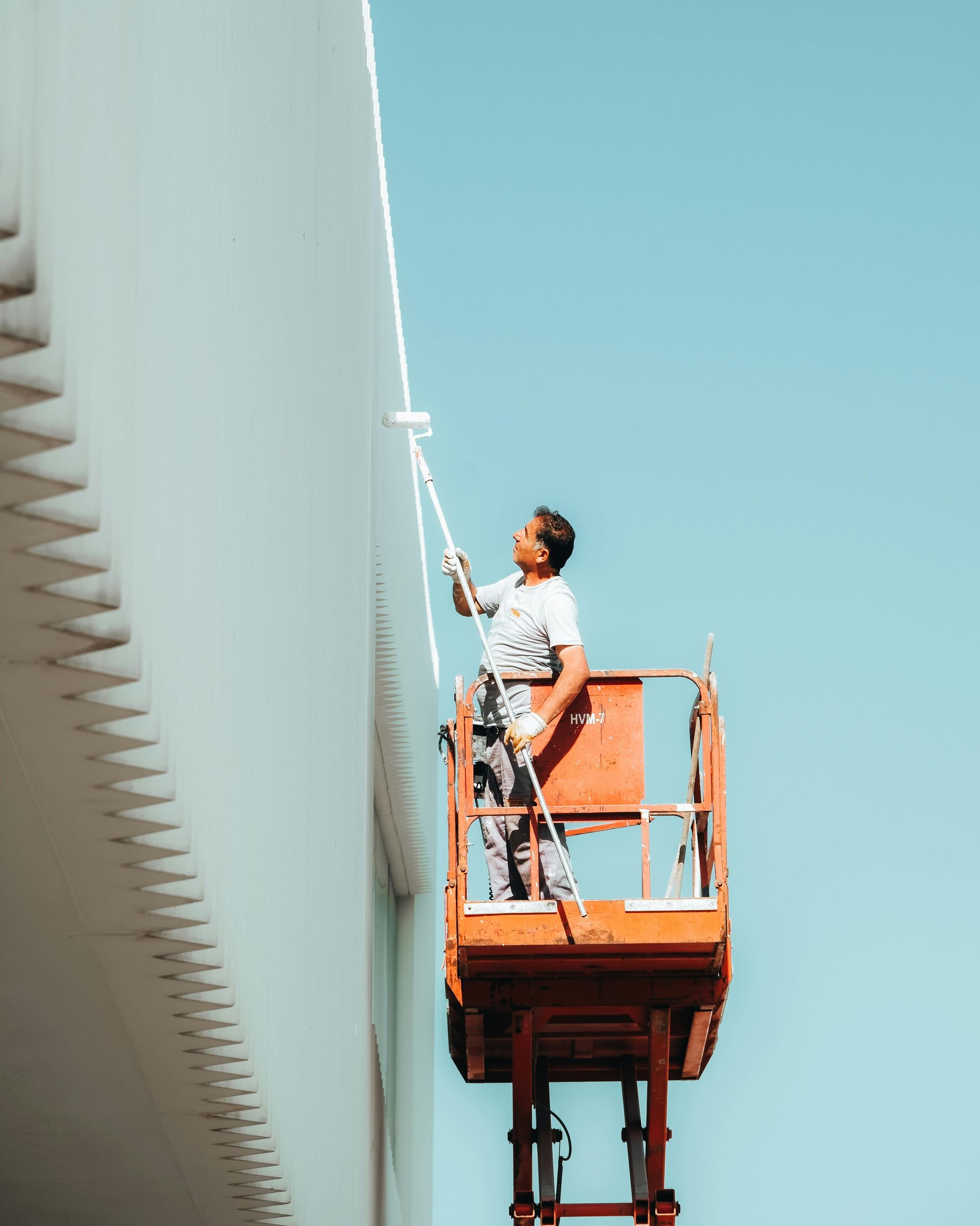
  5. Paint application
  6. Final walkthrough

Proper preparation helps ensure a smoother project and longer-lasting results.

Ready to Refresh Your Home?

A professionally completed exterior paint job can improve curb appeal, increase property value, and help protect your home from Florida's challenging climate.
By Justin Wolford June 7, 2026
Why Florida's Climate Is Tough on Exterior Paint Florida homeowners face unique challenges when it comes to protecting their home's exterior. While a quality paint job can last many years in milder climates, Florida's combination of intense UV exposure, humidity, heavy rainfall, and seasonal storms can accelerate wear and tear. Over time, these environmental factors can cause paint to fade, crack, peel, or lose its protective qualities. That's why regular inspections and maintenance are essential for preserving your home's appearance and preventing costly repairs. Sun Damage and UV Exposure Florida receives some of the highest levels of UV radiation in the country. Constant exposure to sunlight gradually breaks down paint pigments, causing colors to fade and surfaces to become chalky. Dark-colored homes often show fading more quickly, while lighter colors tend to maintain their appearance longer. Humidity and Moisture Problems High humidity creates the perfect environment for mildew, algae, and mold growth on exterior surfaces. Areas that receive limited sunlight are especially susceptible. Quality exterior paint acts as a protective barrier, helping prevent moisture intrusion that can damage siding, trim, and other building materials. Hurricane Season and Severe Weather Wind-driven rain, flying debris, and frequent storms can take a toll on a home's exterior. A properly painted surface provides an additional layer of protection against moisture penetration. Signs Your Home Needs Repainting Look for these common warning signs: Fading paint color Peeling or cracking paint Mildew or algae growth Exposed wood surfaces Caulk failure around windows and doors Bubbling or blistering paint Protecting Your Investment Professional exterior painting isn't just about curb appeal. It's one of the most effective ways to protect your home from Florida's harsh climate and maintain long-term property value. If you're noticing signs of wear, Atlantic Finish can help evaluate your home's condition and recommend the best course of action. 
By Justin Wolford June 7, 2026
Choosing the Right Color for Florida Living The right exterior paint color can improve curb appeal, complement Florida's natural surroundings, and even help reduce heat absorption. When selecting colors, homeowners should consider sunlight exposure, neighborhood aesthetics, roof color, and long-term maintenance. Popular Florida Exterior Colors Warm White Clean white exteriors remain one of the most popular choices throughout Florida. White reflects sunlight well and creates a timeless appearance. Light Gray Soft gray tones provide a modern look while hiding dirt and weathering better than bright white finishes. Coastal Blue Inspired by Florida's beaches and waterways, muted blue tones offer a fresh coastal appearance without overwhelming the home. Sandy Beige Neutral earth tones blend naturally with Florida landscapes and remain attractive year after year. Sage Green Sage green continues to gain popularity for homeowners looking for a subtle, nature-inspired exterior color. Consider Florida's Sun Exposure Dark colors absorb more heat and typically show fading faster in direct sunlight. Lighter colors often perform better over time and help keep exterior surfaces cooler. Don't Forget Trim and Accents A well-designed color scheme includes: Main body color Trim color Front door accent color Shutter color (if applicable) These elements work together to create a cohesive appearance. Professional Color Consultation Choosing exterior colors can feel overwhelming. Professional painters can help evaluate your home's architecture, surroundings, and lighting conditions to recommend colors that will look great for years.